• info@metatronmining.com.au
  • +61 406 455 767
  • By mmc-admin
  • April 26, 2025
  • No Comments

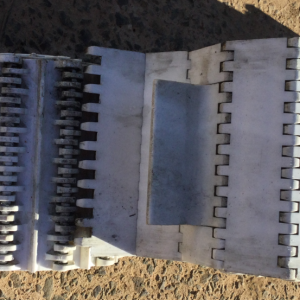
Steel Reinforced Poly Urethane Conveyor Belt Tracking Disc

Steel-reinforced polyurethane (PU) conveyor belt tracking discs are precision-engineered components designed to maintain accurate belt alignment, significantly reduce edge wear, and prevent material spillage in conveyor systems.

A key design advantage is the embedded steel reinforcement within the PU body.

Unlike conventional tracking systems that rely on exposed steel clamps, which are prone to corrosion, rusting, and premature failure, the fully encapsulated steel reinforcement is protected from moisture, abrasion, and corrosive operating environments.

This results in superior structural integrity, consistent tracking performance, and a longer service life.

These tracking discs are particularly well-suited for high-speed and heavy-duty conveyor applications, where belt forces are higher and traditional tracking methods often struggle to perform reliably.

By maintaining stable belt alignment under demanding conditions, they help extend belt life, reduce unplanned downtime, lower maintenance requirements, and improve overall conveyor efficiency.

Description

Key Features of Steel-Reinforced PU Tracking Discs

    • Enhanced Durability: Made from high-quality polyurethane, these discs offer excellent wear resistance and longevity, even in harsh industrial environments.​
    • Non-Contact Design: Many PU trackers are designed to operate without contacting the belt edge, which helps prevent fraying and extends belt life.​
    • Versatility: Suitable for both carrying and return sides of the conveyor, PU trackers can be installed in various configurations to suit different belt types and operational requirements.​
    • Maintenance-Friendly: Designed for easy installation and low maintenance, PU trackers contribute to reduced downtime and maintenance costs.

Applications and Benefits

Steel-reinforced PU ring roller belt trackers are ideal for industries such as mining, bulk material handling, and food processing, where maintaining belt alignment is crucial.

  • Reducing belt wear and tear​
  • Preventing material spillage​
  • Minimizing downtime and maintenance cost
  • Extending the overall lifespan of the conveyor system

Leave a Reply

Your email address will not be published. Required fields are marked *