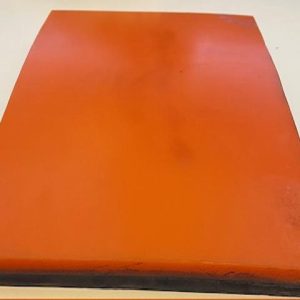
Description
Common Rubber Materials
- Nitrile Rubber (NBR): Excellent oil, fuel, and chemical resistance.
- EPDM (Ethylene Propylene Diene Monomer): Ideal for outdoor applications with exposure to UV rays, ozone, and weather.
- Neoprene: Provides resistance to heat, oil, and chemicals, commonly used in refrigeration and automotive applications.
- Silicone: Known for high temperature resistance and flexibility, often used in food processing and medical equipment.
- Viton: Exceptional chemical resistance, used in high-performance, high-temperature applications.
- Natural Rubber: Offers flexibility and resilience in general-purpose applications.
Key Features of Rubber Gaskets
- Excellent Sealing Properties:Rubber gaskets are primarily used for sealing joints between two surfaces. When compressed, the gasket deforms to fill any microscopic gaps between the surfaces, preventing leaks of gases, liquids, or other substances. The flexibility of rubber allows it to conform tightly to various shapes, ensuring a perfect seal even in irregularly shaped gaps.
- Chemical and Environmental Resistance:Many rubber materials used for gaskets, such as EPDM and Viton, provide excellent resistance to chemicals, oils, solvents, and UV exposure. This makes them ideal for use in harsh environments, such as automotive, chemical processing, petrochemical industries, and marine applications.
- Temperature Resistance:Rubber gaskets, particularly those made from silicone and Viton, can withstand extreme temperatures, ranging from low (cryogenic) to high heat (up to 300°F or higher), without losing their sealing ability. This makes them suitable for high-temperature applications in industries such as automotive, aerospace, and food processing.
- Durability and Longevity:The durability of rubber gaskets depends on the material used, but in general, they provide a long-lasting seal that can withstand years of continuous use. They resist wear, tear, and corrosion, minimizing the need for frequent replacements and maintenance.
- Compression Set Resistance:Good-quality rubber gaskets can maintain their sealing performance even under prolonged compression. Materials such as silicone and Nitrile have high compression set resistance, which means they can retain their shape and sealing properties over time, even when subjected to constant pressure.
- Customization:Rubber gaskets can be custom manufactured to meet specific dimensional, material, and performance needs. They can be designed in various shapes (flat, round, or complex profiles) and thicknesses to suit unique sealing requirements in different applications.
Applications of Rubber Gaskets
- Automotive:
- Seals for engine components, such as oil pans, cylinder heads, valve covers, and gaskets for exhaust systems.
- Weatherproofing and soundproofing vehicle windows, doors, and sunroofs.
- Construction:
- Sealing in windows, doors, roofs, and waterproofing systems.
- Expansion joints in buildings, roads, and bridges to allow movement while maintaining a water-tight seal.
- Aerospace:
- Used in fuel systems, engines, and aircraft cabins to maintain airtight seals and prevent leakage.
- Chemical Processing & Petrochemical:
- Seals pipes, tanks, pumps, and valves in chemical processing plants and refineries.
- Food and Beverage:
- Silicone gaskets are FDA-approved and used in food processing for sterilization and pasteurization processes.
- Ensures sanitation by providing a tight seal to prevent contamination.
- Electronics and Electrical:
- Protects sensitive electronic components from dust, moisture, and corrosion.
- Marine and Offshore:
- Used in boat hulls, engines, pumps, and valves to ensure water-tight seals and withstand saltwater exposure.
Types of Rubber Gaskets
- Flat Gaskets: Commonly used for flanged connections between pipes, tanks, and machinery.
- O-Rings: Circular gaskets used to create seals between cylindrical surfaces, commonly used in pumps, valves, and automotive parts.
- Spiral Wound Gaskets: Made from metal strips with a rubber or graphite core, used in high-pressure, high-temperature applications.
- Ring Joint Gaskets: Made of metal with rubber or elastomeric coatings, used for high-pressure applications.
- Custom Gaskets: Made to any shape, size, and material requirement, ensuring a perfect fit for unique applications.